Turn website feedback into Notion pages
Clients comment on the live site with no account or extension. Each one becomes a Notion page, with status synced both ways.
From a client's click to Notion and back again
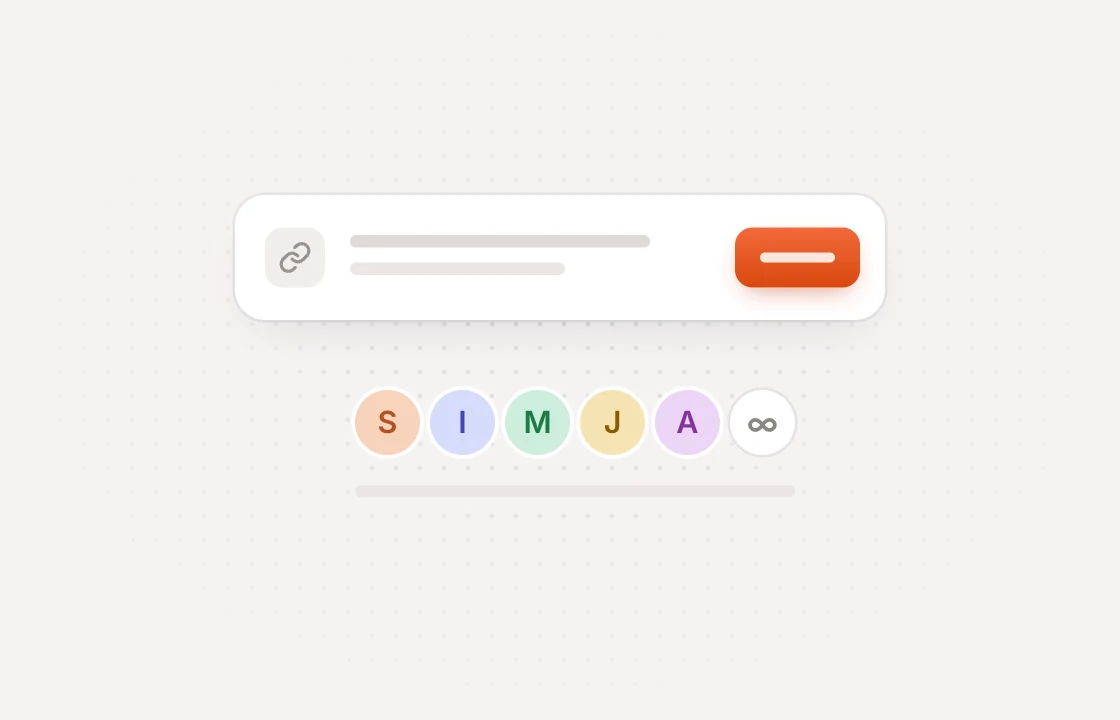 Collect
Clients comment on the page
Share a link and clients pin feedback on the exact spot. No account or extension needed.
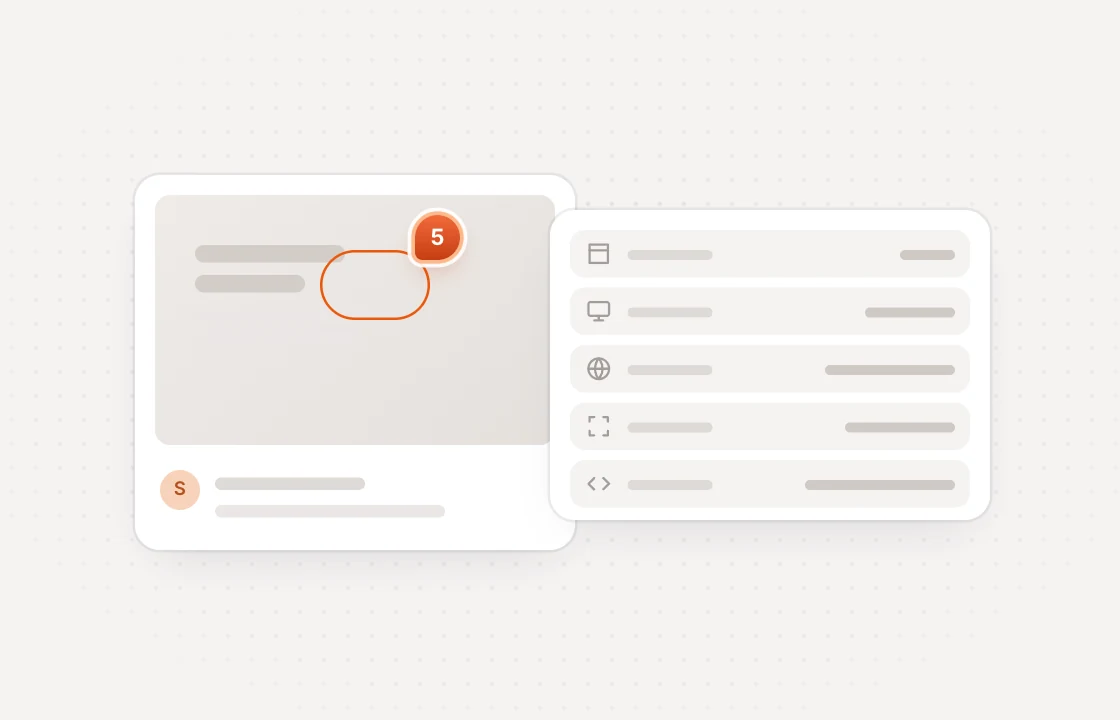 Send
SendPages land in your database
Every new comment becomes a Notion page with its screenshot, page link and environment.
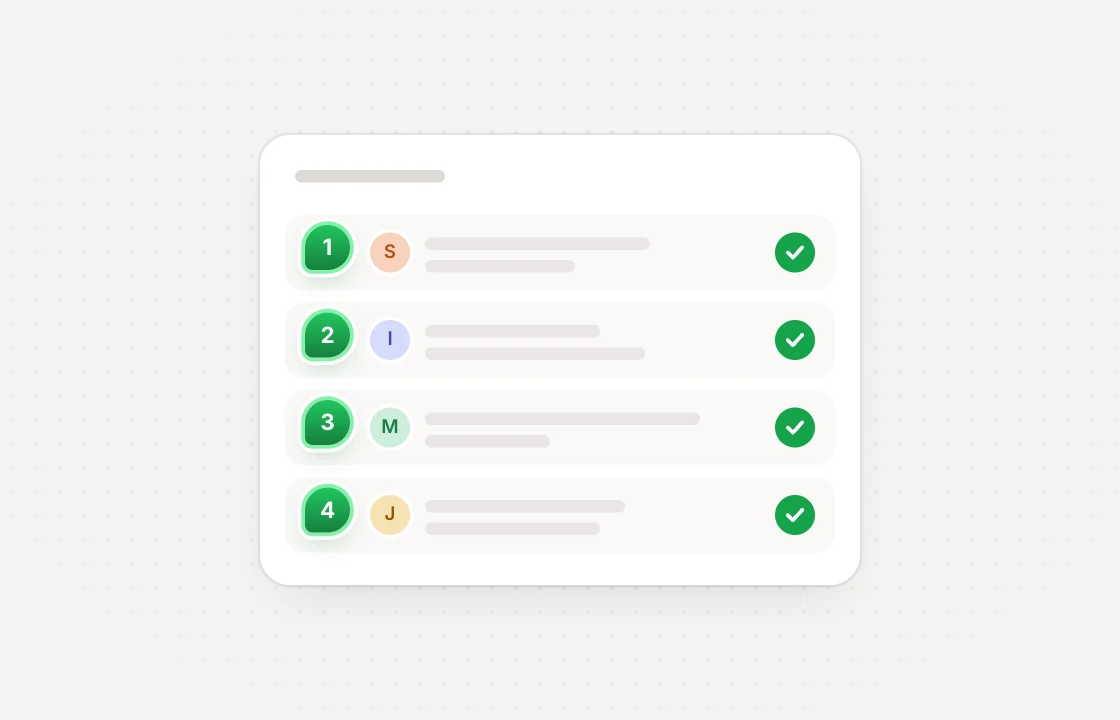 Sync
SyncStatus syncs both ways
Change the status in Notion and the comment follows. Change it in Huddlekit and Notion catches up.
Every page arrives ready to work on without copying screenshots across
 Huddlekit + Notion
Works with the database you have and the properties already in it
Your own database
Use any database you've shared with Huddlekit. Pages go in it, and no databases are created.
Route by project
Send each project to its own database, use a default, or keep a project out.
Status or Select
Sync through a Status or Select property. Options are matched by name, then by status group.
Pages without status
Rather leave status out of it? Choose No status sync and the pages are still created.
The page body is yours
Write notes on the page freely. Only the status property is read back into Huddlekit.
Nightly check
A nightly job fixes any status that drifted. If both sides changed, Huddlekit wins.
The Notion integration is on the Team plan. Compare plans
Integrations come with Team start free and upgrade when you connect
- 3 team members
- 1 project
- Unlimited guests
- 100 MB storage
- 3 team members
- Unlimited projects
- Unlimited guests
- 5 GB storage
- Connect Claude & Cursor (MCP)
- 15 team members
- Unlimited projects
- Unlimited guests
- 50 GB storage
- Connect Claude & Cursor (MCP)
- Integrations
- API access
Every limit and feature, plan by plan. Compare plans
Commonly asked questions and some more.
How do I connect Notion to Huddlekit?
A workspace owner or admin clicks Connect on Notion under the workspace's Integrations and, on Notion's consent screen, shares the database the pages should go to. Then pick that database as the default, or send each project to a database of its own.
Does Huddlekit create the database for me?
No. Use a database you already have, or create one in Notion first, and share it with Huddlekit when you connect. Give it a Status or Select property if you want status to sync.
What does each Notion page include?
The title is the comment number and its first line. The page holds the full comment, the project, who reported it, a link to the page, the screenshot, the OS, browser, resolution, viewport, pixel ratio, color depth and network it was left in, and a link back to the comment in Huddlekit. The environment details sit in a toggle, so the page stays easy to read.
What stays in Huddlekit?
Replies, priority, tags, assignees and attachments. Status is the only thing read back from Notion, so edits to the page body stay in Notion.
Which plan do I need?
Team. Notion, like every other integration and the API, is on the Team plan. If the workspace moves off Team, syncing stops until you upgrade again.
Have more questions? Visit our support center.
Works with the rest of your stack more ways to move feedback
Linear
Turn comments into Linear issues and keep status in sync.
ClickUp
Turn comments into ClickUp tasks and keep status in sync.
Slack
Post comments to a channel and resolve them without leaving Slack.
Zapier
Send comments to thousands of other apps without writing code.
Webhooks & API
Push comments to your own endpoint, and read or update them.
MCP for AI tools
Let Claude, Claude Code or Cursor work through your comments.
Looking for something else? See all integrations